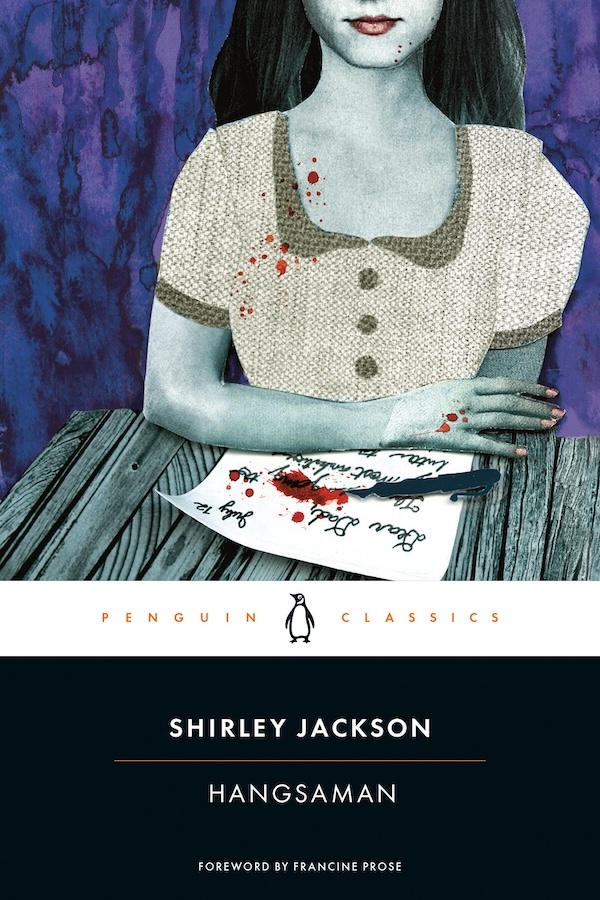
Hangsaman
By Shirley Jackson
October 2026
Get up, she thought, so that someday, as quickly as possible, with infinite speed, somehow, she might get to be sixty-nine, eighty-four, forgetting, smiling sadly, thinking, What a girl I was, what a girl... I remember one time; did it happen to me or did I read it somewhere? Could it have happened like that? Or is it something one only finds in books?
Natalie Waite is an imaginative teenage girl who suffers a terrible assault right before she leaves for college. Through a narrative akin to a fever dream, Jackson investigates Natalie's complicated relationship with her parents, her detachment from the world around her, and how she struggles to come to terms with her assault.
Jackson writes stream-of-consciousness and slightly absurd situations very well; in the beginning, I sincerely thought this book would become one of my new favorite reads. However, I lost interest about halfway through. Instead of Natalie's inner dialogue remaining fascinating, it turned confusing and difficult to follow. A new character is introduced toward the end, and I can't be certain if they are a product of Natalie's imagination or a real student.
I was intrigued by the introduction of tarot cards in the last quarter, as the book's title seems to reference the Hanged Man. To me, this card represents letting go, new perspectives, and a period of uncertainty—all of which would resonate with anyone growing up and leaving their home for the first time. Natalie struggles to accept her assault had occurred, but she eventually finds the strength to do so by the end.
Regarding Natalie's assault...
I was shocked that Natalie was sexually assaulted by one of her father's friends. The scene where the man leads her into the woods is deeply unsettling, and I felt such a sense of foreboding and terror as Natalie does not know what lies in wait for her. Even the imaginary detective with whom she converses in her head tells her right before, "You will not escape this... This you will not escape." The aftermath, where Natalie insists that nothing happened, is heartbreaking. It is even moreso given the recent Cornell rape allegations that have come to light.
As a whole, this is a fairly compelling journey into a traumatized teen's mind that keeps you questioning what's real and imagined. The Lottery remains my favorite work from Jackson, and I hope that I'll have a better connection to her other books.
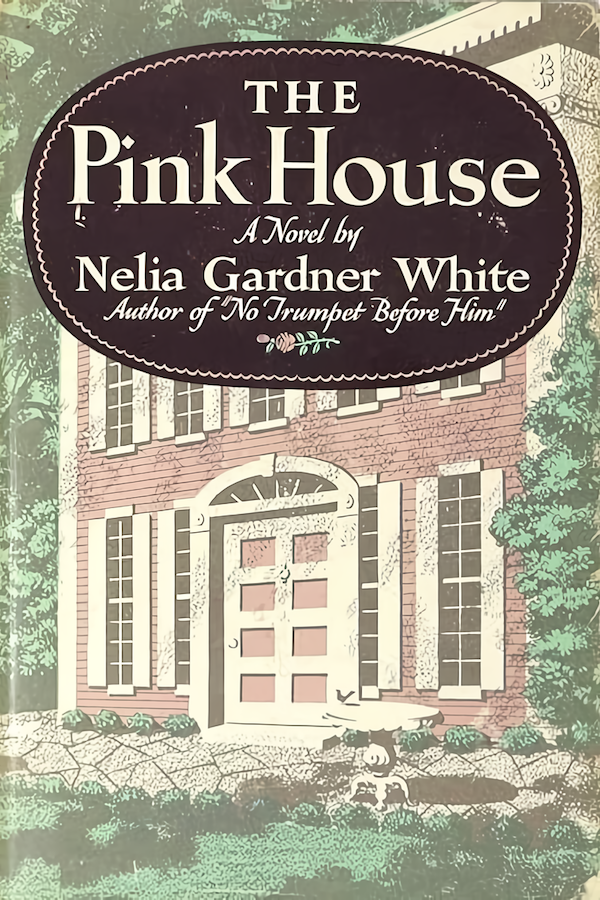
The Pink House
By Nelia Gardner White
September 2026
If I seem too detailed about those early days at the Grange, it is because they set the tone for my life. They made me what I am, were the fount of all my tears, my heartaches and rebellions. The heart of a child is so extraordinarily vulnerable. Hate can be so hot and overwhelming, fear can make such a sickness, love can be so absolute.
Shortly after her mother's death, seven-year-old Norah Holme is sent to live with her Aunt Rose's family. The Dickinsons reside at the Grange in New England, where Norah is almost immediately isolated and rejected by everyone except Paul, her oldest cousin, and Aunt Poll. Children rarely get a say in where they live or whom is responsible for their well-being but thankfully, Aunt Poll takes Norah under her wing. Under her aunt's guidance, Norah learns to make a quiet but meaningful life for herself while harboring a deep love for Paul.
From the start, I was reminded of other coming-of-age stories like Anne of Green Gables, A Tree Grows in Brooklyn, and Little Women. What I enjoy most about those books is the protagonists' growth and independence; Norah's journey feels somewhat tepid in comparison. Many of her thoughts and actions revolve around Paul and though she eventually befriends her cousins and takes up responsibilities she cares about, I had the impression she was simply waiting for him to recognize and return her feelings.
Furthermore, much of the narrative concerns a family secret involving Uncle John, Aunt Rose, and Paul that affects the entire family dynamic. Norah is mostly a bystander and though she gains autonomy and confidence, I couldn't sufficiently detach her character from her love for Paul. I found Aunt Poll, Unger, and even Mary Ellen to be far more interesting and complex characters.
Regarding the family secret...
Paul being Uncle John's bastard son, which is why Aunt Rose resents Paul despite him endlessly seeking her approval and love, raises a lot of interesting considerations regarding what skeletons should be kept in the closet, if any. Despite my not resonating with Norah, I'm proud that she tells Paul about his true parentage and that Aunt Rose will never accept and love him as he wants her to. I also particularly like Aunt Poll's remarks after Norah returns from visiting Paul: "It's a weight off—light let in. In spite of all the sun here, I've always felt this house was dark. It looks bright and beautiful to me today, if you know what I mean. No matter what comes now, it's in the open."
All in all, The Pink House is a charming book about childhood, loneliness, and identity. I'm surprised this is the first time I've heard of Nelia Gardner White since her writing feels very approachable and timeless. I'm curious about her other works but given that this book was fairly dificult to track down, I'm not sure I'll have much luck in finding more from her.
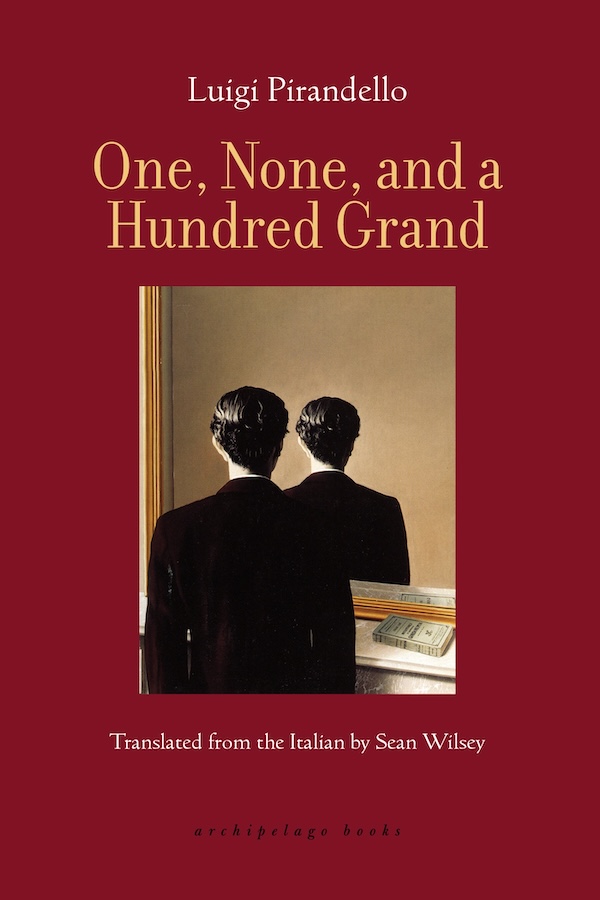
One, None, and a Hundred Grand
By Luigi Pirandello
August 2026
If I wasn't the man I imagined myself to be in the eyes of others then who was I?
Vitangelo Moscarda's world is knocked off-kilter when his wife casually informs him that his nose leans to the right. Horrified that others do not see him the same way he views himself, Moscarda wreaks havoc in his relationships, even spreading his identity crisis like a curse by pointing out everyone's physical defects. Not only that, he sets out to destroy people's perceptions of him by acting erratically and nonsensically. Through such absurdities and no shortage of philosophical ramblings, the author demands that you carefully consider who you really are at your core.
At the start, I was quite fascinated by Pirandello's perspective on identity. Everyone faces the world through their own experiences, biases, and interpretations that are unlike anyone else's. If we all see through different lenses, can two people ever truly understand each other? What happens if someone, whether misguided or malicious, assigns you a trait that you disagree with? How do you reconcile the fact that your behavior changes, sometimes dramatically, depending on the audience and circumstances? It's no wonder that Moscarda's reality cracked and shattered under the stress of such notions.
Unfortunately, as the narrative progressed, my interest steadily waned. I found Pirandello to be quite repetitive, rigid in his assumptions, and condescending toward the reader. Furthermore, Moscarda's story became more disjointed and confusing and I was skimming by the end. While thought-provoking, this isn't a book I'll be picking up again.
My personal takeaway is that everything is constantly changing, including our sense of self. I'm reminded of this quote from Lewis Carroll: "It’s no use going back to yesterday, because I was a different person then," and these lines from Walt Whitman's poem Song of Myself, 51: "Do I contradict myself? / Very well then I contradict myself, / (I am large, I contain multitudes.)" Despite Pirandello's lecture on conscience and judging ourselves in isolation, I feel that how others perceive me is none of my business and I have the ability to decide whose opinions matter to me.
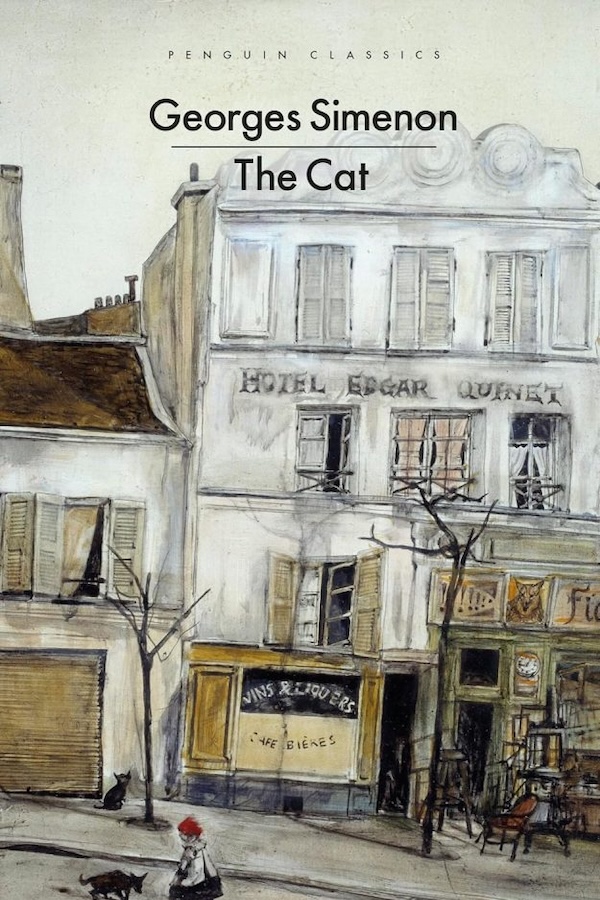
The Cat
By Georges Simenon
July 2026
Children play at war. They were doing the same thing. But more passionately.
Each thought of the death of the other, each, in a more or less avowed way, wished for it, wished to be the survivor.
Emile and Marguerite Bouin don't talk to each other. They married in their sixties after the deaths of their first spouses, and their domestic discord stems from Emile believing his wife poisoned his cat and retaliating by plucking the feathers out of her parrot.
The couple leads separate lives. They communicate through notes, both feigning indifference to the other's actions when in reality they are watching each other carefully. Each monitors their own kitchen cupboard, prepares their own meals, and sleeps in different beds. They shop separately in the same stores, keeping a close eye on what the other purchased. They wage a silent war, punishing each other through seemingly trivial but manipulative actions. These first few chapters were so compelling to me, and I couldn't help but be invested in the descriptions of their suffocating, detached life together.
As the novella progresses, it becomes clear that Emile and Marguerite cannot live without each other, even though they can barely tolerate each other's existence. This novella is told through Emile's perspective and highlights his unhappiness and loneliness in equal measure. The reader is given brief glimpses of him wishing to be acknowledged by Marguerite, where "He hoped at times that she would give in, would change her attitude, would turn toward him with a human look, with gentler eyes, and speak to him," but he also frequently frames Marguerite as conniving.
I wish we got a glimpse into Marguerite's perspective on her marriage and her version of events as I don't believe she intentionally poisoned Emile's cat. Regardless, both characters reminded me of The Twits by Roald Dahl in that they are unlikeable and trapped in a web of their own doing. This book serves as a good reminder that I have agency and I don't have to stay in situations that make me miserable. I hope to never end up in such petty, loveless circumstances where I am constantly scrutinized and disparaged.
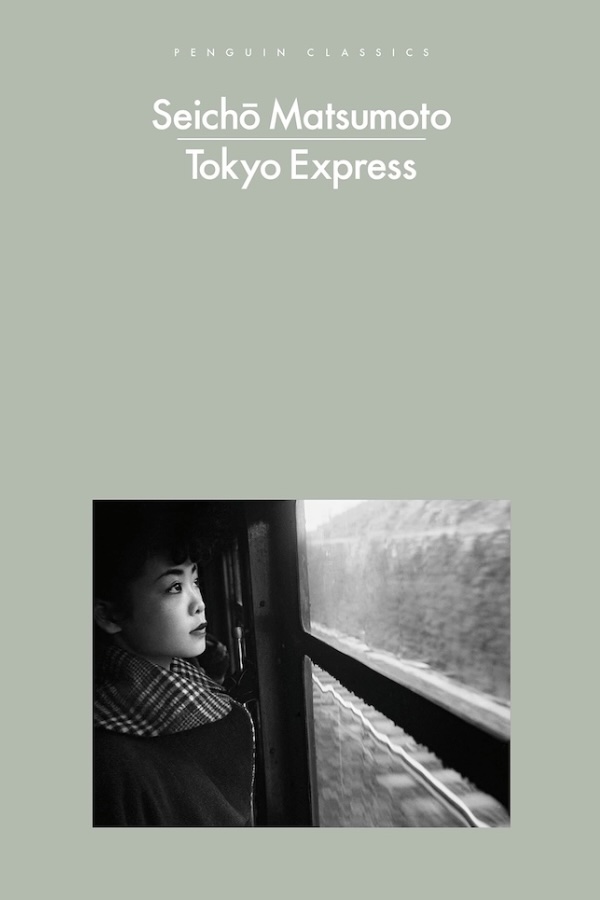
Tokyo Express
By Seichō Matsumoto
June 2026
Chance or design: That's what it all comes down to, isn't it?
In the early hours of the morning, the bodies of a government worker, Sayama, and a waitress, Toki, are discovered on Kashii beach in Fukuoka. Almost immediately, their deaths are declared a love suicide. However, detective Torigai believes something is afoot after finding a dining-car receipt indicating that Sayama dined alone on the train that he and Toki both took from Tokyo. Torigai's suspicions are echoed by another detective, Mihara, from Tokyo, who takes on the case due to Sayama's connection to a bribery scandal. Mihara zeroes in on Yasuda, the president of a corporation in partnership with government agencies, as the primary suspect.
I love the sparse, detached prose reminiscent of Claire Keegan. Even with an unembellished writing style, Matsumoto captures people's mannerisms very well; I could understand a character's personality and habits in just a few words. Additionally, I will always be a fan of books with graphs, charts, timetables, or other documents interspersed throughout (though I do consistently skip detailed maps). It was delightful to examine the diagrams and notes made by Mihara to uncover the slim four-minute window where Yasuda and two other waitresses witnessed the couple boarding the south-bound train from Tokyo. To be honest, I didn't expect to get invested so quickly. I couldn't put this book down in the second half because I wanted to know how Yasuda plotted these puzzling murders and covered his tracks with a north-bound journey.
The two detectives stay in touch while Mihara investigates and the mystery is finally resolved in his letter to Torigai at the end. I'm somewhat conflicted about the resolution as on one hand, I prefer seeing the pieces fall into place instead of being told what happened. On the other, I appreciate the weight given to Torigai and Mihara's mutual respect for each other and how they worked together to solve this case. This letter is exactly how Torigai would've learned the full details of these murders and I imagine he must've felt gratified that his hunch was correct.
Mihara's letter reveals...
Yasuda's wife Ryoko plays a significant role in planning and carrying out the murders. Her fascination with train times, Yasuda's intent to spare Sayama's superiors from getting implicated in the scandal and thus currying favor for his own business interests, and Toki being Yasuda's suspected mistress all culminate in a perfect storm. Yasuda and Ryoko persuade Toki and Sayama, respectively, to drink cyanide and arrange their bodies together to give the impression of a love suicide. Afterwards, Yasuda flies to Sapporo and embarks the train he was supposed to have been on as though he had been there since the beginning.
Overall, this is one of the translated Japanese novels that I've enjoyed the most. I haven't explored the detective genre much outside of Agatha Christie, but now I feel inclined to seek more such novels.
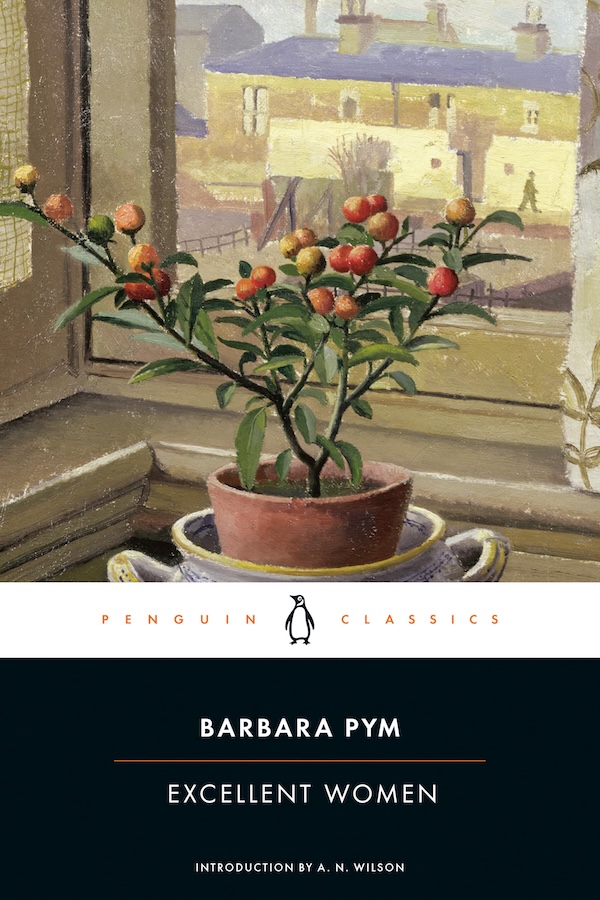
Excellent Women
By Barbara Pym
May 2026
... after all, life was like that for most of us — the small unpleasantnesses rather than the great tragedies; the little useless longings rather than the great renunciations and dramatic love affairs of history or fiction.
Mildred Lathbury is an "excellent woman" in that she is unmarried, without children, above the age of thirty, and relied upon to fix other people's messes. Despite deviating from the path chosen by many other women, this book explores how Mildred finds just as much fulfillment in her own life and through the lives of others. Her uneventful days spent volunteering and coordinating events at her church are interrupted by the arrival of a colorful cast of characters. Among them are the her new downstairs neighbors and a widowed vicar's wife; without meaning to, Mildred gets caught up in their affairs.
Mildred is wonderfully observant, and communicates little moments from everyday life with plenty of British humor and honesty. She candidly reflects on her own appearance ("Let me hasten to add that I am not at all like Jane Eyre, who must have given hope to so many plain women who tell their stories in the first person, nor have I ever thought of myself as being like her"), masks her real thoughts ("I was a little dismayed, as we often are when our offers of help are taken at their face value"), and makes wry comments on matters of love ("Perhaps long spaghetti is the kind of thing that ought to be eaten quite alone with nobody to watch one's struggles. Surely many a romance must have been nipped in the bud by sitting opposite somebody eating spaghetti?").
I really appreciate Pym's focus on what would be considered the fringes of our lives. Day by day, we end up in situations that exasperate us or make our lives just a tiny bit harder, and sometimes, there's nothing we can do but simply press on. However, there's also plenty of joy to be found in having a good cup of team, catching up with a friend, or sending someone a postcard. These small details make up the fabric of who we are and what we deem important; there is a rare beauty in the mundane.
As much as I liked Mildred as a character, this book as a whole was a slog to get through. I understand the importance of Mildred's work and the characters she interacts with, but apart from Everard Bone, I found everyone else to be tedious to read about. The pacing was slow, and the chapters on jumble sales and church-related activities also bored me. At the end of the day, I'm glad to have been introduced to a new author, but I don't foresee myself picking up more of Pym's books.
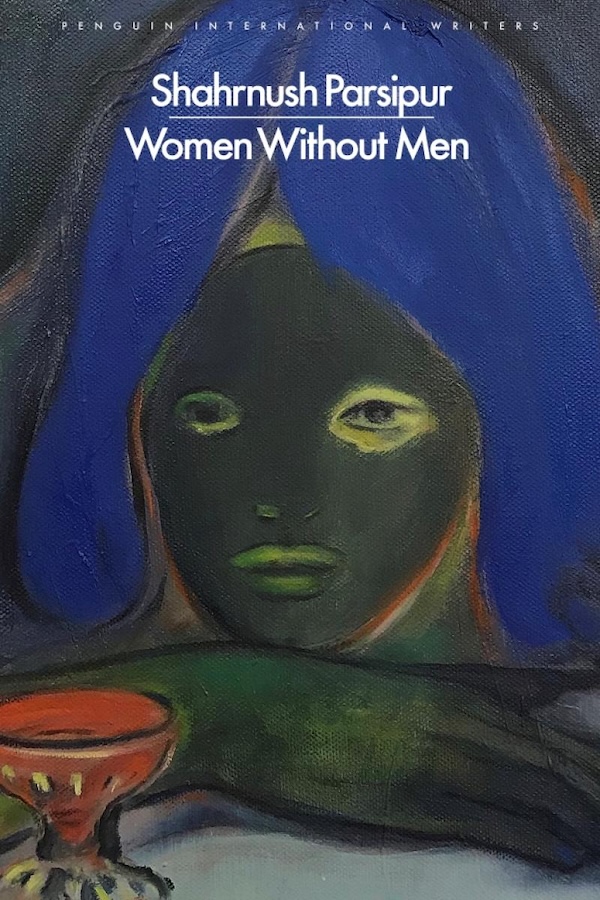
Women Without Men
By Shahrnush Parsipur
April 2026
It is always the heart's desire that drives one insane.
This novella follows five women: Mahdokht, Fa'iza, Munis, Farrokhlaqa, and Zarrinkolah, all of whom respond to the oppressive politics and society of Iran in different ways. Some rebel against the culture that stifles their desires and agency, like how Munis seeks out knowledge about sex, Farrokhlaqa inadvertently kills her husband, and Zarrinkolah turns away from life as a prostitute. On the other hand, Mahdokht feels crushed by her powerlessness while Fa'iza internalizes Iran's patriarchal ideals.
The lives of all five women intersect in Karaj, where they live harmoniously together along with one man, Kind Gardener, before going their separate ways. By the end of the novel, they are all liberated in some way, whether through turning into a tree whose seeds travel the world, advancing socially, or making demands of the men they marry.
I had to sit with this story for a while before the pieces fully connected for me. I can appreciate the author's courage in challenging the long-held assumptions of women's roles in Iran, but unfortunately, I've learned that magical realism isn't really my thing. I could feel the women's rage and desperate hopes, but many scenes in this book perplexed me more than they resonated with me.
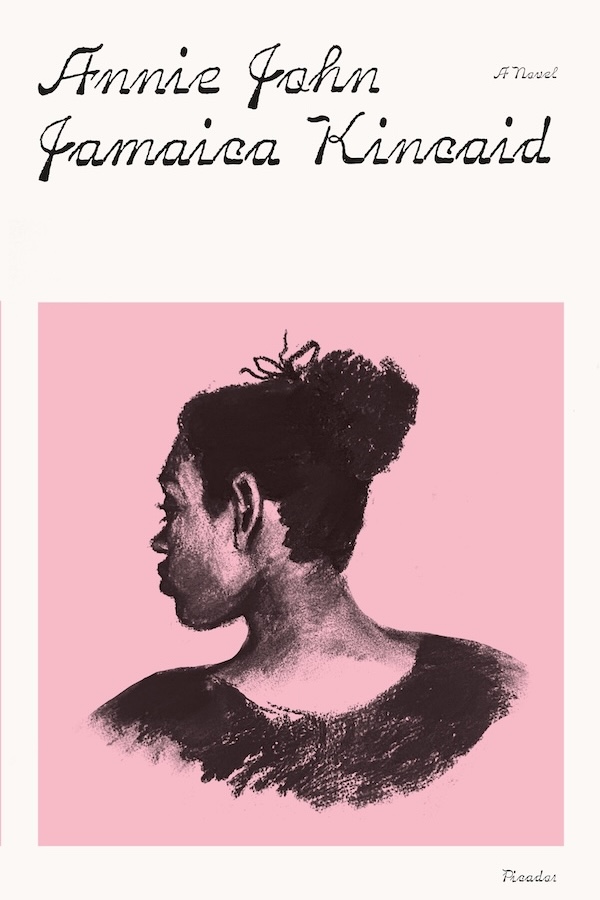
Annie John
By Jamaica Kincaid
March 2026
At that moment, I missed my mother more than I had ever imagined possible and wanted only to live somewhere quiet and beautiful with her alone, but also at that moment I wanted only to see her lying dead, all withered and in a coffin at my feet.
Annie John is a coming-of-age story about Annie, a young girl, as she grows up and starts clashing with the mother she once worshipped and adored. Her father remains a background figure throughout, and family dinners hold a tense undercurrent as Annie and her mother pretend to be amicable while their relationship deteriorates.
Even if Annie's mother meant well, a lyric that came to mind was "My mother's love is choking me" from Lorde's song The Love Club. I understand Annie's pain upon seeing "[her] mother's back turned on [her] in disgust," how "[she] couldn't bear to show [her] mother in a bad light before people who hardly knew her," and to be reprimanded that she "behave[d] in the manner of a slut" over something innocuous; I hold more empathy for Annie than I do her mother.
This book actually reminded me a lot of Anne of Green Gables, one of my favorite books, but with far less understanding and compassion between the main character and her parental figures. I also thought it was such an interesting parallel how Annie leaves for England at seventeen, just as her mother left her home in Dominica after a quarrel with her father at sixteen.
There's plenty of nostalgia woven throughout, with scenes like Annie watching close-knit friend groups from afar, falling in love with her classmates, and the last-minute realization of how much meaning her hometown held for her just as she is about to leave Antigua. Though there were some chapters I resonated with less than others, I still enjoyed reading this book and learning how so many of our feelings throughout adolescence and young adulthood are universal.
